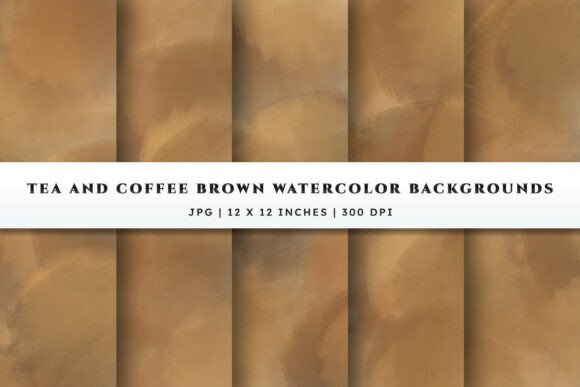
Watercolor Backgrounds - Coffee Brown: Elevating Design with Warm, Earthy Tones
There is a distinct comfort found in the hues of roasted coffee beans and steeped black tea. These shades carry a sense of warmth, stability, and organic elegance that few other color palettes can replicate. Watercolor Backgrounds - Coffee Brown taps directly into this aesthetic, offering a curated collection of digital textures that blend rich, earthy tones with the authentic look of hand-painted watercolor paper. For designers, crafters, and small business owners, these backgrounds are not just pretty images; they are functional assets that solve common design challenges while adding a layer of sophisticated texture to any project.
The Psychology and Appeal of Earthy Browns
In visual design, color does more than decorate; it communicates. Brown is often misunderstood as dull, but when executed correctly—especially through the medium of watercolor—it becomes incredibly dynamic. The Coffee Brown and Tea Coffee Brown collection leverages the natural variations found in liquid pigments. Unlike flat, digital solid colors, these backgrounds feature soft washes, subtle gradients, and the tactile appearance of high-quality paper grain.
This combination creates a "cozy" effect. In an increasingly digital and sterile world, consumers are drawn to designs that feel handmade and grounded. Using these warm brown shades signals authenticity. It suggests that a brand or a gift was created with care, attention to detail, and a respect for natural materials. Whether you are designing a label for artisanal soap or a wedding invitation, the underlying message of these backgrounds is one of understated luxury and organic beauty.
Practical Applications for Crafters and Makers
For those who work with cutting machines like Cricut or Silhouette, finding the right background texture can be the difference between a good project and a great one. Standard cardstock is reliable, but it lacks depth. By printing these high-resolution JPG files onto premium photo paper or adhesive sticker paper, makers can instantly elevate their output.
- Sticker Sheets: The 12x12 inch format is ideal for creating full-sheet sticker designs. The coffee brown tones provide a neutral yet striking backdrop for white or gold foil lettering, making quotes, botanical illustrations, or minimalist icons pop without overwhelming the eye.
- Scrapbooking: Modern scrapbooking has moved away from chaotic patterns toward clean, journal-style layouts. These watercolor textures serve as perfect base layers for photos, allowing the memories to take center stage while providing a warm, cohesive theme throughout the album.
- Greeting Cards: A simple fold-over card printed on textured stock using these backgrounds feels substantial and expensive. The tea-inspired lighter browns work beautifully for sympathy cards or thank-you notes, conveying sincerity and calm.
Branding and Packaging for Small Businesses
Small business owners, particularly those in the lifestyle, wellness, and food industries, often struggle to create packaging that stands out on social media feeds dominated by bright, saturated colors. This is where the Watercolor Backgrounds - Coffee Brown set offers a strategic advantage. The muted, earthy palette allows product photography to shine while maintaining a consistent brand identity.
Consider a small batch coffee roaster or a boutique tea shop. Using these specific brown watercolor textures for their labels, hang tags, or social media post backgrounds creates an immediate visual association with their product. It reinforces the narrative of natural ingredients and careful craftsmanship. Similarly, skincare brands focusing on organic ingredients can use these backgrounds for product inserts or website banners to evoke a sense of purity and earthiness.
The versatility extends to digital branding as well. Email headers, eBook covers, and Pinterest pins benefit from the clean, printable texture. Because the backgrounds are not overly busy, text remains highly readable—a crucial factor for conversion-focused designs. You can overlay white or cream typography with confidence, knowing the contrast will be sufficient for easy reading on mobile devices.
Technical Considerations for Best Results
While the aesthetic appeal is obvious, understanding the technical specifications ensures you get the most out of these assets. The collection includes five unique backgrounds, each rendered at 300 DPI (dots per inch). This resolution is the industry standard for professional printing. If you were to use a lower resolution image, such as 72 DPI typically found on web graphics, your printed results would appear pixelated or blurry, especially on larger items like posters or box lids.
The files are provided in high-quality JPG format within a single ZIP archive. It is important to note that you must extract these files before use. Attempting to drag and drop directly from a compressed folder into design software can sometimes lead to linking errors or reduced performance. Once extracted, these files are compatible with virtually all design platforms, including Adobe Photoshop, Illustrator, Canva, Procreate, and Affinity Designer.
When preparing for print, consider the type of paper you choose. While the digital file simulates watercolor paper texture, printing on actual textured matte paper or linen cardstock can enhance the tactile experience. For digital-only uses, such as website backgrounds, ensure you compress the images appropriately for web use to maintain fast loading speeds without sacrificing visual quality.
Design Tips for Layering and Composition
One of the strengths of this collection is its subtlety. However, beginners might hesitate to use brown backgrounds for fear of their designs looking too dark or muddy. The key lies in layering and contrast.
First, utilize negative space. Do not feel compelled to fill every inch of the background with elements. Let the watercolor washes breathe. Second, pair these backgrounds with complementary colors. Cream, ivory, sage green, and muted terracotta work harmoniously with coffee and tea tones. For a more dramatic look, deep navy or charcoal gray can provide a sophisticated contrast.
Typography choice is also critical. Serif fonts often pair well with the traditional, elegant feel of watercolor, while clean sans-serifs can modernize the look. Avoid overly decorative scripts that might get lost against the textured background. Instead, opt for bold, clear typefaces that stand out against the variable tones of the watercolor wash.
Why This Collection Stands Out
There are countless watercolor backgrounds available online, but many suffer from being either too generic or too chaotic. The Watercolor Backgrounds - Coffee Brown set strikes a balance. It is specific enough to offer a cohesive theme—warm, natural, and inviting—yet versatile enough to apply across diverse industries. The focus on "tea and coffee" tones ensures a level of sophistication that pure brown or beige backgrounds often lack. There is depth in these colors, reminiscent of aged parchment or rich soil, which adds a narrative quality to your designs.
Furthermore, the convenience of having five coordinated options allows for variety without losing brand consistency. You can rotate these backgrounds across different social media posts or use different ones for various sections of a website, keeping the visual interest high while maintaining a unified aesthetic.
Ultimately, this collection is a tool for storytellers. Whether you are crafting a heartfelt letter, building a brand identity, or designing a product package, these backgrounds provide the perfect canvas. They invite the viewer to pause, appreciate the details, and connect with the warmth and authenticity that only natural, earthy tones can convey. By integrating these high-quality, printable textures into your workflow, you elevate not just the look of your projects, but the perceived value of the content they hold.