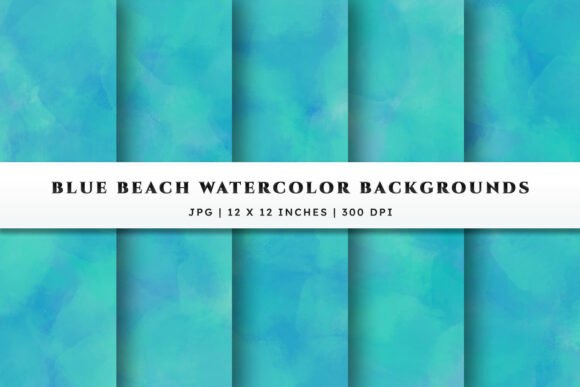
Watercolor Backgrounds - Beach Blue: A Guide to Coastal Design
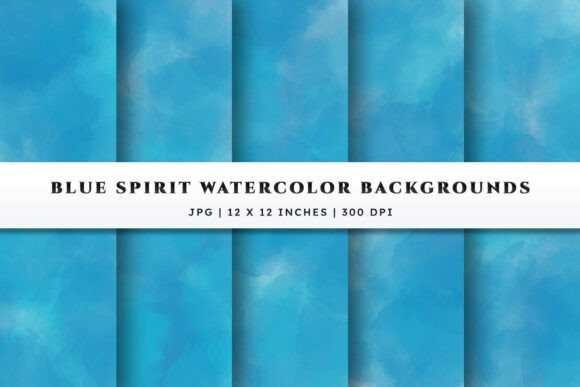
Integrating the right visual tone into your creative projects can be the difference between a design that feels cluttered and one that breathes. The Watercolor Backgrounds - Beach Blue collection offers a specific aesthetic inspired by ocean waves and beach tones, providing soft blue watercolor washes and gentle aqua hues. For designers, crafters, and small business owners, these assets are more than just pretty pictures; they are functional tools for creating clean, relaxing visuals. However, simply downloading high-resolution files is not enough. Many creators overlook the technical and artistic nuances of using watercolor textures, leading to printed products that look muddy or digital designs that fail to load efficiently.
Understanding the Value of Soft Watercolor Textures
Before diving into common pitfalls, it is essential to understand why this specific style works. The Beach Blue palette relies on natural watercolor textures that mimic the fluidity of water and the transparency of pigment. This creates a sense of calm and professionalism, which is ideal for invitations, branding, and packaging. Unlike solid colors, watercolor backgrounds add depth without overwhelming the foreground content. When used correctly, these 12x12 inch, 300 DPI JPG files serve as a foundational layer that enhances readability and visual appeal.
Many beginners assume that any blue background will suffice for a coastal theme. This is a significant misunderstanding. Generic blue gradients often look digital and cold. In contrast, authentic watercolor washes feature organic variations in tone and texture. These imperfections are what make the design feel handcrafted and warm. If you are aiming for a boutique or artisanal look, the choice of texture is critical. Using a flat color instead of a textured watercolor background can strip your project of its intended emotional resonance.
Common Mistakes in Resolution and Print Quality
One of the most frequent errors creators make involves ignoring file specifications. The Watercolor Backgrounds - Beach Blue set provides high-quality JPG files at 300 DPI (dots per inch). This resolution is the industry standard for professional printing. A common mistake is resizing these images incorrectly or using them in low-resolution formats for print materials like stickers, labels, or scrapbook pages.
When you reduce the quality of a 300 DPI image to save space or speed up a website, you risk pixelation when that same image is printed. Conversely, using a low-resolution web image for a physical product results in blurry, unprofessional edges. Always ensure that your design software is set to handle high-resolution inputs. If you are using Cricut or Silhouette machines for cutting stickers or cards, import the original JPG file directly from the extracted ZIP folder. Do not screenshot the preview image, as this drastically reduces clarity.
Another oversight is failing to check the color profile. While these files are optimized for general use, screens display color in RGB, while printers use CMYK. Aqua hues and soft blues can shift slightly during printing. To avoid disappointment, always print a test sheet on the actual paper stock you intend to use. This simple step allows you to adjust brightness or contrast in your editing software before committing to a full production run.
Overlooking Contrast and Readability
A beautiful background should never compete with your text or main graphics. A prevalent issue among novice designers is placing dark text over medium-tone watercolor areas. The Beach Blue backgrounds feature smooth washes, but some areas may have deeper saturation. If your text color is too similar to the background hue, readability suffers.
To correct this, consider using white or very light pastel text for overlays, or add a subtle semi-transparent shape behind your text box. This technique ensures that your message remains clear while still showcasing the underlying watercolor texture. For digital projects like social media posts or email headers, test your design on multiple devices. What looks legible on a calibrated monitor may disappear on a smartphone screen in bright sunlight.
Furthermore, avoid cluttering the design. The strength of watercolor backgrounds lies in their simplicity. Adding too many elements—such as heavy borders, complex icons, or multiple fonts—can negate the calming effect of the aqua hues. Let the background do the work. Use ample white space and minimal typography to maintain the clean, relaxing look that defines this collection.
File Management and Workflow Efficiency
Technical organization is often underestimated. The Watercolor Backgrounds - Beach Blue files are delivered in a compressed ZIP format. Users must extract these files before use. Attempting to open or drag files directly from within a ZIP archive can lead to corrupted data or temporary file errors in design software. Always extract the contents to a dedicated folder on your hard drive or cloud storage.
For professionals managing multiple projects, naming conventions matter. Rename the files descriptively if necessary, such as "BeachBlue_Wash_01.jpg," to quickly identify specific textures without opening each one. This practice saves time when you are working under tight deadlines for clients or seasonal product launches.
Additionally, consider the aspect ratio. These backgrounds are square (12x12 inches). If you need a landscape or portrait orientation for a flyer or banner, you will need to crop or extend the image. Cropping removes parts of the design, so choose a background with a balanced composition that allows for flexible cropping. Extending the image requires careful cloning of the watercolor texture to avoid visible seams. Planning your layout around the native square format can prevent these extra steps and preserve the integrity of the original artwork.
Choosing the Right Projects for Aqua Hues
Not every project benefits from a beach-themed palette. While versatile, these backgrounds are best suited for industries and themes that align with tranquility, nature, and cleanliness. They are excellent for wedding invitations, spa branding, baby shower announcements, and summer sales promotions. However, using them for high-energy sports events or corporate financial reports might send the wrong message.
Evaluate your target audience. If you are creating printable planners for busy professionals, the soft blue tones can provide a soothing backdrop that reduces visual stress. For educators creating classroom materials, these backgrounds can create a calm learning environment. But always ask: does this color scheme support the content? If the answer is no, consider saving these assets for projects where the emotional tone matches the visual design.
Final Checks Before Implementation
Before finalizing any project using the Watercolor Backgrounds - Beach Blue set, perform a final review. Check for alignment issues, ensure all text is proofread, and verify that images are sharp. If you are sending files to a professional printer, confirm their specific requirements for bleed and margin settings. Since these are 12x12 inch files, they are ideal for square products, but rectangular items may require additional canvas space.
By avoiding common technical and design mistakes, you can maximize the potential of these watercolor assets. Whether you are a hobbyist scrapbooking memories or an entrepreneur building a brand, attention to detail ensures that your final product reflects the quality and care intended by the design. Embrace the simplicity of the beach blue aesthetic, respect the technical specifications, and let the natural beauty of the watercolor textures elevate your creative work.