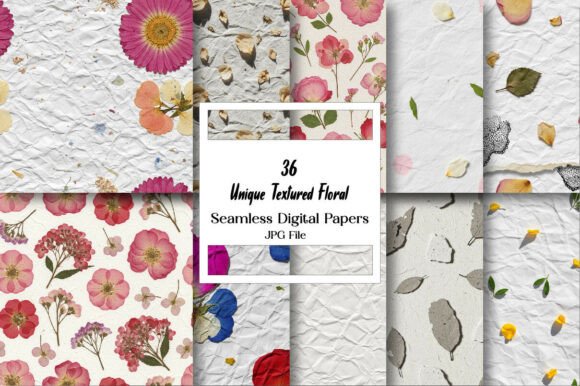
Unique Textured Floral Pattern: A Design Guide
In the world of surface design, texture is often the unsung hero that transforms a flat image into a tactile experience. The Unique Textured Floral Pattern exemplifies this principle by merging artistic botanical elements with rich, layered surface depth. It is not merely a repetition of flowers; it is a carefully constructed visual narrative that balances elegant botanical beauty with a distinctive, handcrafted finish. For designers, crafters, and creative entrepreneurs, this type of seamless design offers a versatile foundation that feels both timeless and contemporary.
Whether you are developing a brand identity, creating handmade goods, or designing digital assets, understanding how to leverage textured patterns can significantly elevate your final product. This guide explores the characteristics of this specific aesthetic and provides practical insights on integrating it into various projects.
The Anatomy of Textured Botanical Design
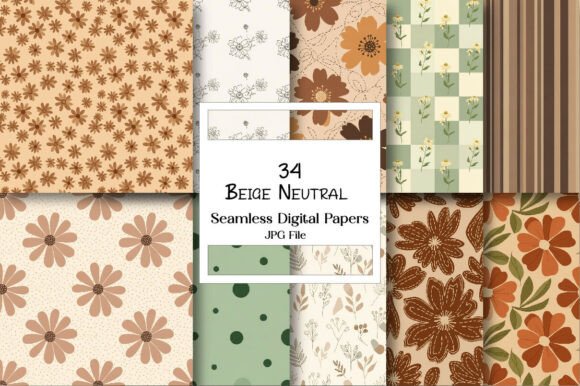
What sets a Unique Textured Floral Pattern apart from standard floral prints is the interplay between form and surface. Traditional floral vectors often appear clean and flat, which can sometimes feel sterile or overly digital. In contrast, this pattern introduces a layer of complexity through simulated texture. This might mimic the grain of linen, the roughness of handmade paper, or the subtle imperfections of watercolor bleeding on cotton.
The "seamless" nature of the design is crucial for scalability. It allows the pattern to repeat indefinitely without visible breaks, making it ideal for large-format printing like wallpaper or fabric rolls, as well as small-scale applications like phone cases. The layered depth creates a sense of movement, drawing the eye across the composition rather than letting it rest on a single focal point. This dynamic quality makes the pattern engaging without being overwhelming, a key consideration for background graphics and packaging.
Practical Applications in Print and Product Design
The versatility of this pattern lies in its ability to adapt to both physical and digital mediums. Here is how you can effectively utilize this design across different categories:
Fashion and Home Decor
Textile applications benefit immensely from the organic feel of textured florals. When printed on cute tote bags or personalized pillows, the pattern adds a sophisticated touch that appeals to consumers looking for nature-themed aesthetics. The texture helps mask minor wear and tear, making it a practical choice for high-use items. For home decor, consider using the pattern for wall art prints or posters. The depth of the design translates well to high-quality giclée prints, creating pieces that look like original mixed-media artwork rather than mass-produced decor.
Paper Goods and Stationery
For the stationery enthusiast, this pattern is a goldmine. It works beautifully for wedding stationery and invitations, where the elegant botanical vibe aligns perfectly with romantic themes. Use it for bridal shower designs, greeting cards, and bookmarks. The seamless nature allows for consistent branding across an entire suite of products. Additionally, it is an excellent choice for mini junk journals and scrapbook decoupage. Crafters can print the pattern on lightweight paper to create custom backgrounds that add immediate visual interest to their layouts without requiring hours of manual embellishment.
Packaging and Branding
In the realm of small business, packaging is a critical touchpoint. A Unique Textured Floral Pattern can define your brand’s visual language. Apply it to candle and soap product labels, stickers, and wrapping paper. The sophisticated look suggests quality and attention to detail, which can justify premium pricing. For digital-first brands, use the pattern in branding and packaging mockups to create cohesive social media feeds. It serves as an excellent backdrop for product photography, providing context without distracting from the item being sold.
Digital Implementation and User Experience
Beyond physical products, this pattern holds significant value in digital spaces. Web designers and social media managers can utilize it to create trendy social media backgrounds and website graphics. When used as a background, ensure the opacity is adjusted or a solid overlay is applied to maintain text readability. The textured element adds warmth to digital interfaces, counteracting the coldness often associated with screen-based interactions.
For content creators, the pattern is ideal for sublimation graphics on tumblers and mugs. The high-resolution details ensure that the texture remains visible even when wrapped around curved surfaces. Similarly, it can be used for phone cases and digital collage projects. In mixed media art, the pattern can serve as a base layer, over which other elements are collaged, creating a rich, multi-dimensional composition.
Maximizing Value Through Strategic Use
To get the most out of a Unique Textured Floral Pattern, consider the following strategic approaches:
- Color Harmony: While the texture is prominent, color dictates the mood. Soft pastels evoke a vintage, feminine feel, while deeper, earthy tones create a modern, sophisticated look. Adjust the hue to match your target audience’s preferences.
- Scale Matters: Test the pattern at different scales. A large scale works well for planner covers and inserts or wall art, allowing the individual floral elements to shine. A smaller scale is better for playing cards, party napkins, and plates, where a subtle background is preferred.
- Contrast and Legibility: When using the pattern for text-heavy items like book covers or flyers, ensure there is sufficient contrast. You may need to place text boxes over solid colors or blur sections of the pattern to keep the information accessible.
- Material Compatibility: For print applications, choose materials that enhance the texture. Matte papers and natural fabrics like cotton or linen will reflect the textured design better than glossy, synthetic surfaces.
Why This Pattern Resonates with Modern Audiences
The appeal of the Unique Textured Floral Pattern extends beyond aesthetics; it taps into a broader cultural desire for authenticity and connection to nature. In an increasingly digital world, consumers are drawn to designs that feel handcrafted and organic. This pattern bridges the gap between digital precision and analog warmth. It offers the efficiency of a seamless digital file with the emotional resonance of traditional art.
For educators and bloggers, using such patterns in presentations or blog headers can increase engagement. The visual interest keeps readers attentive, while the natural motifs create a calming, welcoming atmosphere. For freelancers and agencies, offering this type of design in client projects demonstrates an understanding of current trends in surface pattern design and branding.
Final Thoughts on Creative Integration
Integrating a Unique Textured Floral Pattern into your workflow is about more than just applying a pretty image. It is about leveraging texture to add depth, using seamlessness to ensure consistency, and selecting applications that highlight the design’s strengths. From printable fabric to digital collage, the possibilities are vast. By understanding the nuances of this design, you can create products and content that stand out in a crowded marketplace. Whether you are designing for a wedding, launching a new product line, or simply organizing your personal planner, this pattern offers a blend of elegance and utility that enhances every project it touches.