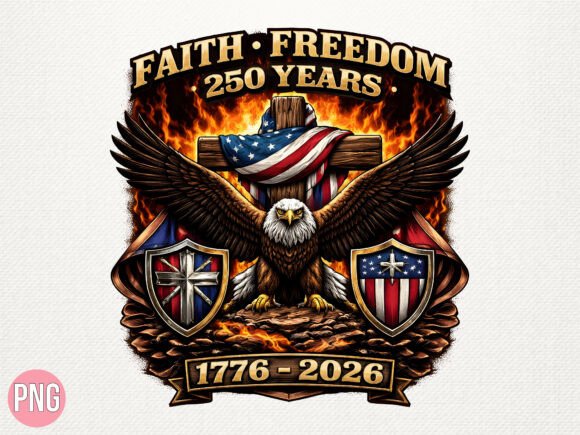
Evaluating the Faith Freedom Cross PNG for Professional and Personal Design Projects
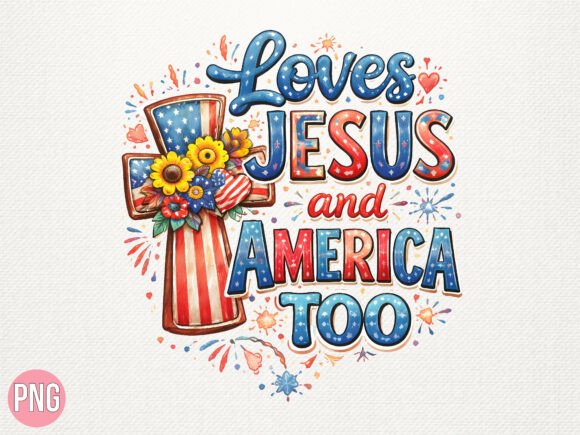
In the evolving landscape of digital design and Print on Demand (POD), selecting the right asset is often a balance between aesthetic appeal and technical functionality. For designers, crafters, and small business owners focusing on faith-based themes, the Faith Freedom Cross PNG represents a specific category of resource designed to bridge the gap between spiritual expression and commercial viability. Unlike generic clip art or low-resolution web images, this type of premium digital file is engineered for high-quality output across various mediums. Understanding what distinguishes this format from alternatives is essential for making an informed decision about whether it fits your current project requirements.
Defining the Asset: Resolution and Transparency
At its core, the Faith Freedom Cross PNG is defined by two critical technical specifications: 300 DPI resolution and a transparent background. These are not merely marketing buzzwords but fundamental attributes that determine the utility of the file in a professional workflow. The 300 DPI (dots per inch) standard is the industry benchmark for print quality. When compared to standard screen-resolution images (typically 72 DPI), a 300 DPI file ensures that the edges of the cross design remain crisp and free of pixelation when printed on physical products like t-shirts, mugs, or tumblers.
The transparent background is equally significant. In many lower-quality alternatives, designs come with a white or colored box surrounding the image, requiring time-consuming manual editing in software like Photoshop or GIMP to remove. A premium PNG with inherent transparency allows for immediate placement onto any colored substrate or complex background without additional labor. This "clean quality" mentioned in product descriptions refers to the absence of stray pixels or jagged edges, ensuring the design integrates seamlessly into diverse creative projects ranging from scrapbooks to greeting cards.
Comparative Analysis: PNG vs. Alternative Formats
When evaluating resources for faith-based designs, creators often encounter a variety of file formats, including JPEG, SVG, and EPS. Understanding where the Faith Freedom Cross PNG fits within this ecosystem helps clarify its best-use scenarios.
- PNG vs. JPEG: JPEG files do not support transparency. Using a JPEG version of a cross design would necessitate a solid background color, limiting its application to light-colored materials or requiring advanced masking techniques. The PNG format eliminates this constraint, offering superior versatility for overlaying designs on dark fabrics or patterned papers.
- PNG vs. SVG/EPS: Vector formats like SVG and EPS are scalable to infinity without quality loss, making them ideal for large-scale signage or vinyl cutting machines (such as Cricut or Silhouette). However, not all POD platforms or printing methods accept vector files directly; many require rasterized images. Furthermore, complex vector files can sometimes render inconsistently across different web-based design tools. The Faith Freedom Cross PNG offers a "what you see is what you get" reliability, ensuring the design appears exactly as intended on sublimation prints and direct-to-garment services without the need for vector conversion.
The tradeoff here is scalability versus compatibility. While an SVG might be preferable for a crafter cutting heat transfer vinyl at home, the high-resolution PNG is often the safer, more universally accepted choice for third-party POD services and digital invitations where file compatibility is paramount.
Practical Applications in Print on Demand
The utility of the Faith Freedom Cross PNG extends across a broad spectrum of products. Its high-resolution nature makes it particularly well-suited for sublimation printing, a process where heat transfers ink onto polymer-coated items. Common applications include:
- Apparel: T-shirts and hoodies benefit from the sharp lines of a 300 DPI image, ensuring the religious symbolism remains clear even after multiple washes.
- Drinkware: Tumblers and mugs often have curved surfaces. A clean PNG without a bounding box allows the design to wrap naturally or sit centrally without unsightly white borders disrupting the visual flow.
- Home Decor: Pillows and albums require images that can blend with fabric textures. The transparency feature allows the texture of the pillowcase to show through the non-printed areas of the design, creating a more organic look.
- Paper Goods: Greeting cards and scrapbook pages utilize the crisp details of the cross for embossing or high-quality cardstock printing.
For small business owners, the efficiency gained by using a pre-prepared, high-quality file cannot be overstated. It reduces the turnaround time between concept and listing, allowing for faster iteration on seasonal products such as Easter or Christmas collections.
Decision Factors: Is This Resource Right for You?
Determining whether to invest in a specific digital download like the Faith Freedom Cross PNG requires an assessment of your specific workflow and end goals. This resource is likely the optimal choice if your primary focus is on raster-based printing methods (sublimation, DTG) or if you lack the software expertise to manipulate vector nodes. It is also the preferred option for users who prioritize speed and ease of use, as the file arrives ready to deploy upon extraction from the ZIP folder.
However, there are scenarios where this might not be the ideal solution. If your project involves large-format outdoor signage exceeding several feet in width, a raster PNG, even at 300 DPI, may eventually show pixelation if scaled beyond its original dimensions. In such cases, a vector alternative would be necessary. Additionally, users must ensure their design software supports PNG layers; while most modern programs do, legacy systems or very basic mobile apps might flatten the transparency, negating one of the file's primary benefits.
Technical Considerations and Limitations
It is important to approach digital downloads with realistic expectations regarding file management. The product is delivered as a ZIP file, which requires the user to have the capability to unzip and extract folders—a standard function on most operating systems but a potential hurdle for less tech-savvy individuals. Once extracted, the single PNG file serves as the master asset. Unlike multi-layered PSD files, a PNG is a flattened image. This means you cannot isolate individual elements of the cross design to change colors or move parts independently without advanced photo editing skills.
Furthermore, because this is a digital download, no physical item is shipped. This distinction is crucial for buyers accustomed to traditional retail. The value lies entirely in the intellectual property and the technical quality of the file. Users must verify that their intended printing partner accepts PNG uploads, although this is standard for the vast majority of POD platforms.
Final Evaluation
The Faith Freedom Cross PNG occupies a strategic niche in the digital design market. It offers a pragmatic solution for those who need reliable, high-fidelity imagery for faith-centric projects without the complexity of vector editing. By providing a 300 DPI file with a transparent background, it removes common barriers to entry for creating professional-grade merchandise. While it may not replace vector graphics for every conceivable application, its strengths in compatibility, ease of use, and print readiness make it a robust choice for a wide array of creative endeavors. For designers weighing their options, the decision ultimately rests on the specific demands of their production method and the desired balance between flexibility and convenience.